
Youth baseball can make development look expensive.
There are private lessons, hitting facilities, travel teams, and premium bats. Then there are two gloves and a patch of yard.
Playing catch is easy to overlook because it looks so ordinary. The longer I've been around the game, the more I value it.
For a kid, it might be the best baseball time a parent can give.
Throwing and catching touch everything
Before a kid needs to read a breaking ball or turn a double play, he needs to catch a throw and send one back where it's supposed to go.
Those skills show up at every position, and they only come with reps. He learns how the ball feels in his hand, how his feet help the throw, and how to move his glove to the ball.
Team practice has to cover a whole roster. A kid might stand in line and touch only a handful of balls during one drill. Ten easy minutes in the yard can give him a lot more throws, and he knows right away how each one went.
That doesn't make the backyard a replacement for good coaching. But it isn't extra baseball either. It's where a lot of the game starts to feel natural.
Keep the agenda small
It's easy to turn catch into a private lesson. The value disappears fast if every throw becomes a correction.
I've found it works best when he gets to warm up, throw, and talk. If one simple adjustment will help, I offer it and then get back to playing.
The goal is for him to want to do it again.
Our guide to a player's first baseball season makes the same point. Kids get better when practice feels fun, not like a test.
There's still room for variety. Move a few steps farther apart. Try some easy ground balls. Aim for each other's chest. Count clean catches in a row if he likes the challenge.
Most nights, his energy is a better guide than any plan I bring to the yard.
You can see the improvement
A kid who plays catch regularly can feel himself getting better.
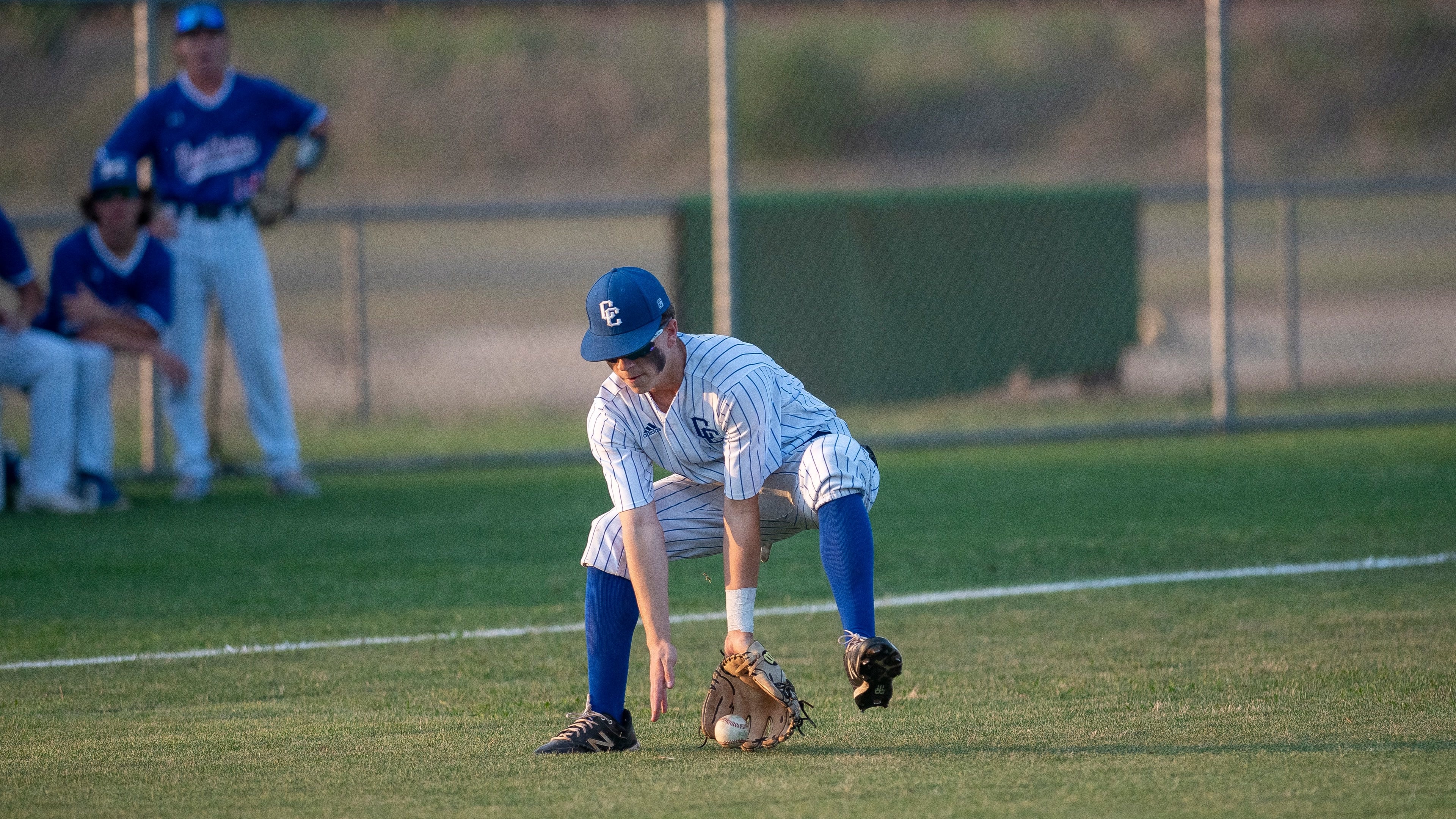
The throw that sailed over your head in April reaches your glove in June. The short hop that used to make him turn away becomes a ball he tries to pick.
Nobody has to give a speech about progress. He can see for himself that the reps changed what he can do.
That carries past baseball. Getting better is usually slow, and it's hard to notice day to day. Look back after a few weeks, though, and it's obvious.
The kid thinks he's playing. He's right. He's also learning what plain old practice can do.
The kid thinks he's playing. He's right.
The conversation is part of it
The baseball might be the smaller part.
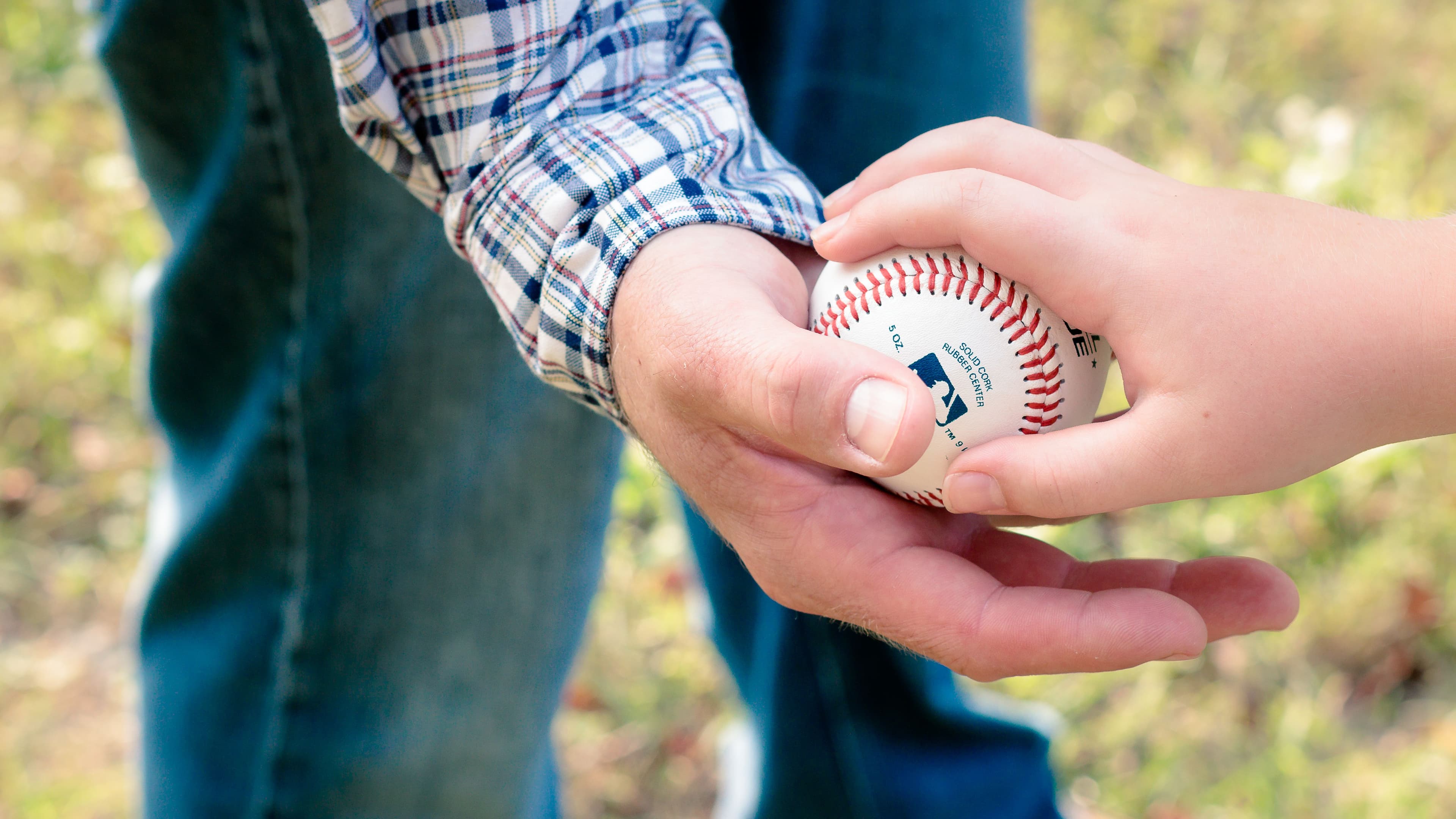
A game of catch puts a parent and a kid in the same place with no screen, no scoreboard, and nobody watching. The conversation wanders while the ball goes back and forth. Kids sometimes say things during catch that would never come out across the dinner table.
It also ties baseball to time together. Years from now, he may forget the details of a practice but remember who stood in the yard and kept throwing.
It's a better place for most parent coaching, too. I used to unload corrections during the ride home. Moving those conversations to a calm afternoon changed how they landed. What I learned from the ride home wasn't to stop helping. It was to pick a moment when help could be heard.
Say yes when you can
We spend plenty of time comparing teams, instructors, and equipment. Playing catch won't solve every baseball problem. It does give a kid useful reps and something harder to buy.
Your attention.
Ten or twenty minutes while there's still light is plenty. There's no need to log it or turn it into a test. Throw the ball, listen, and let the progress show up on its own.
Someday the glove won't fit his hand anymore. I already miss those evenings.