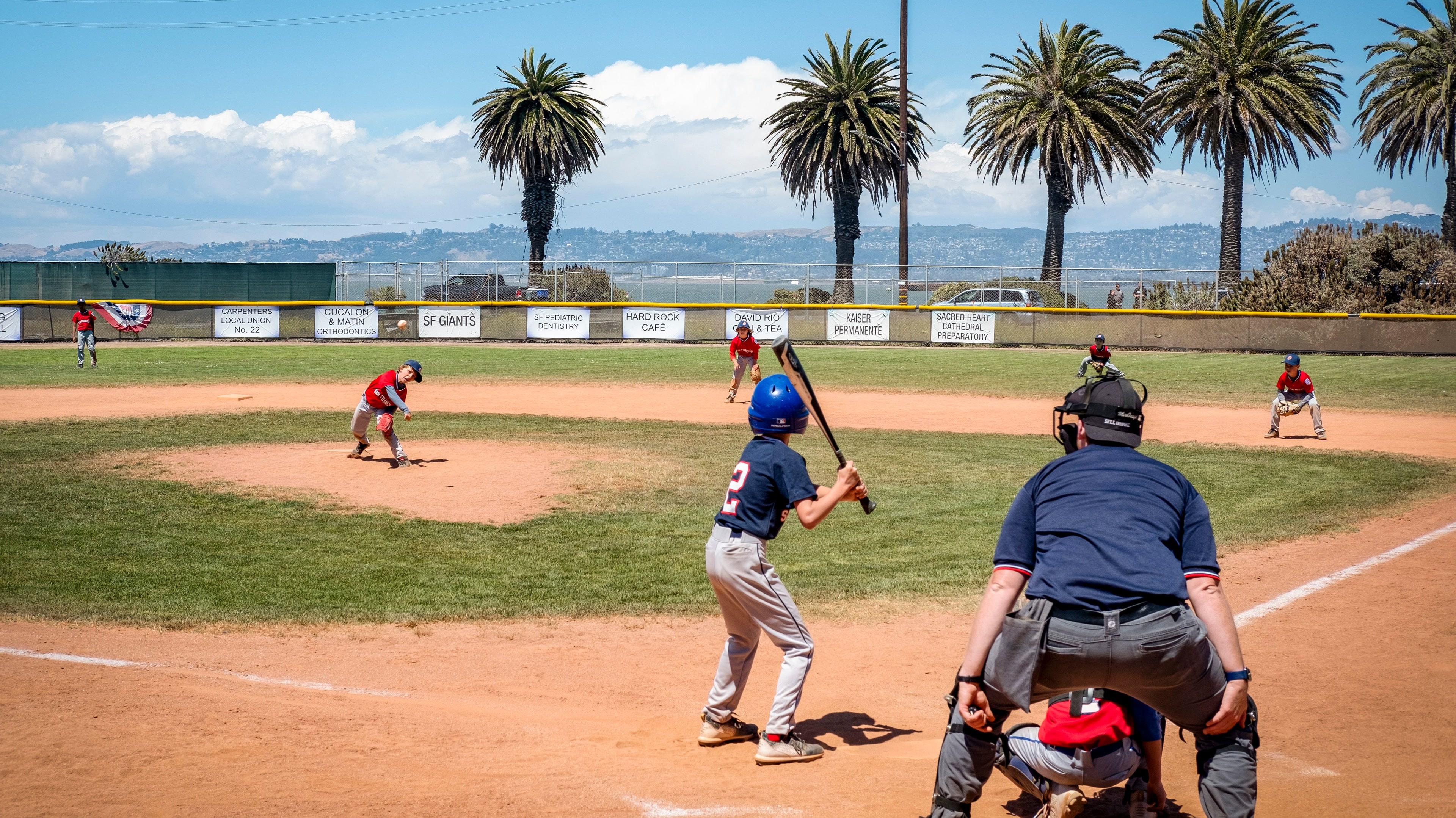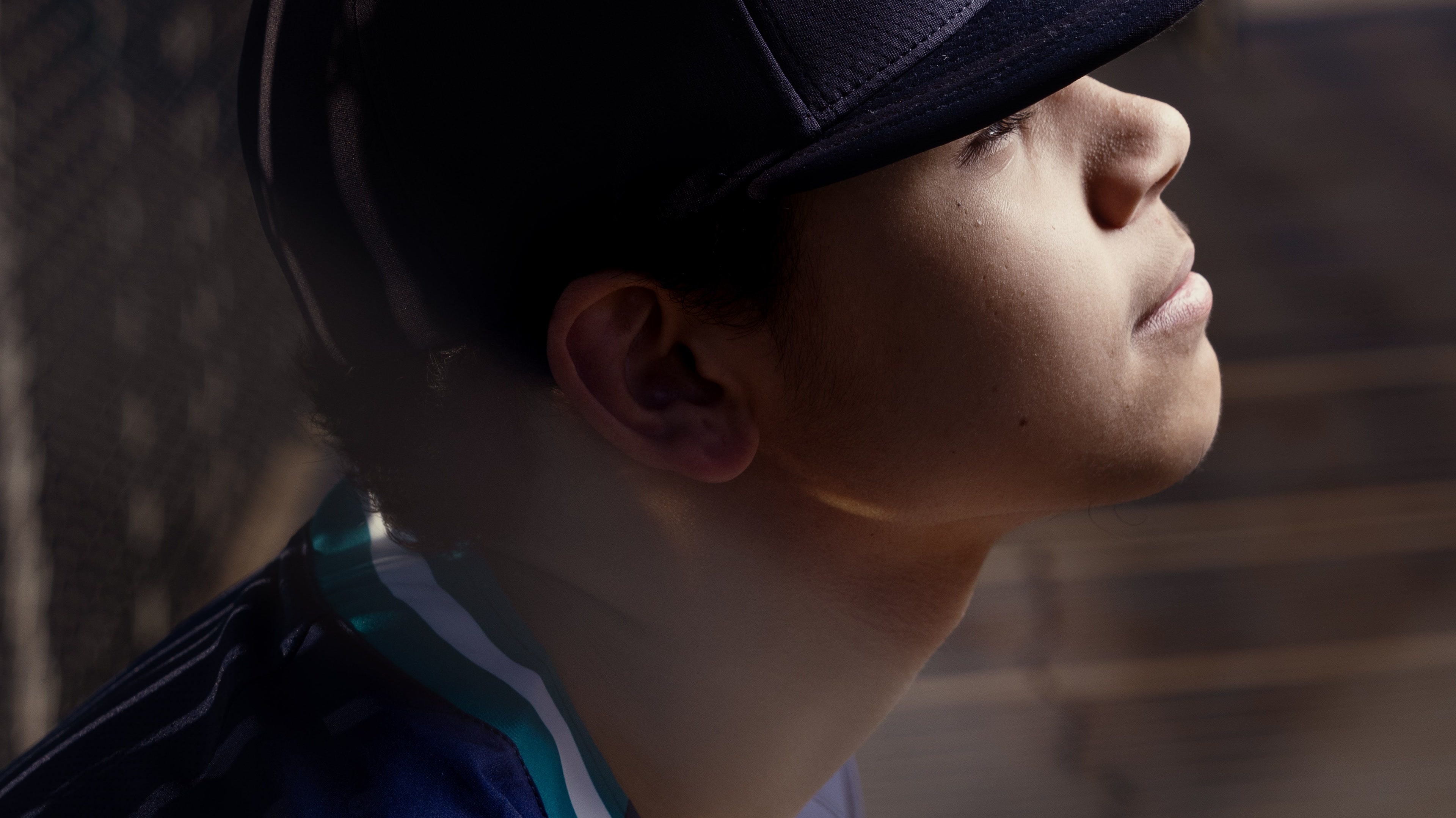

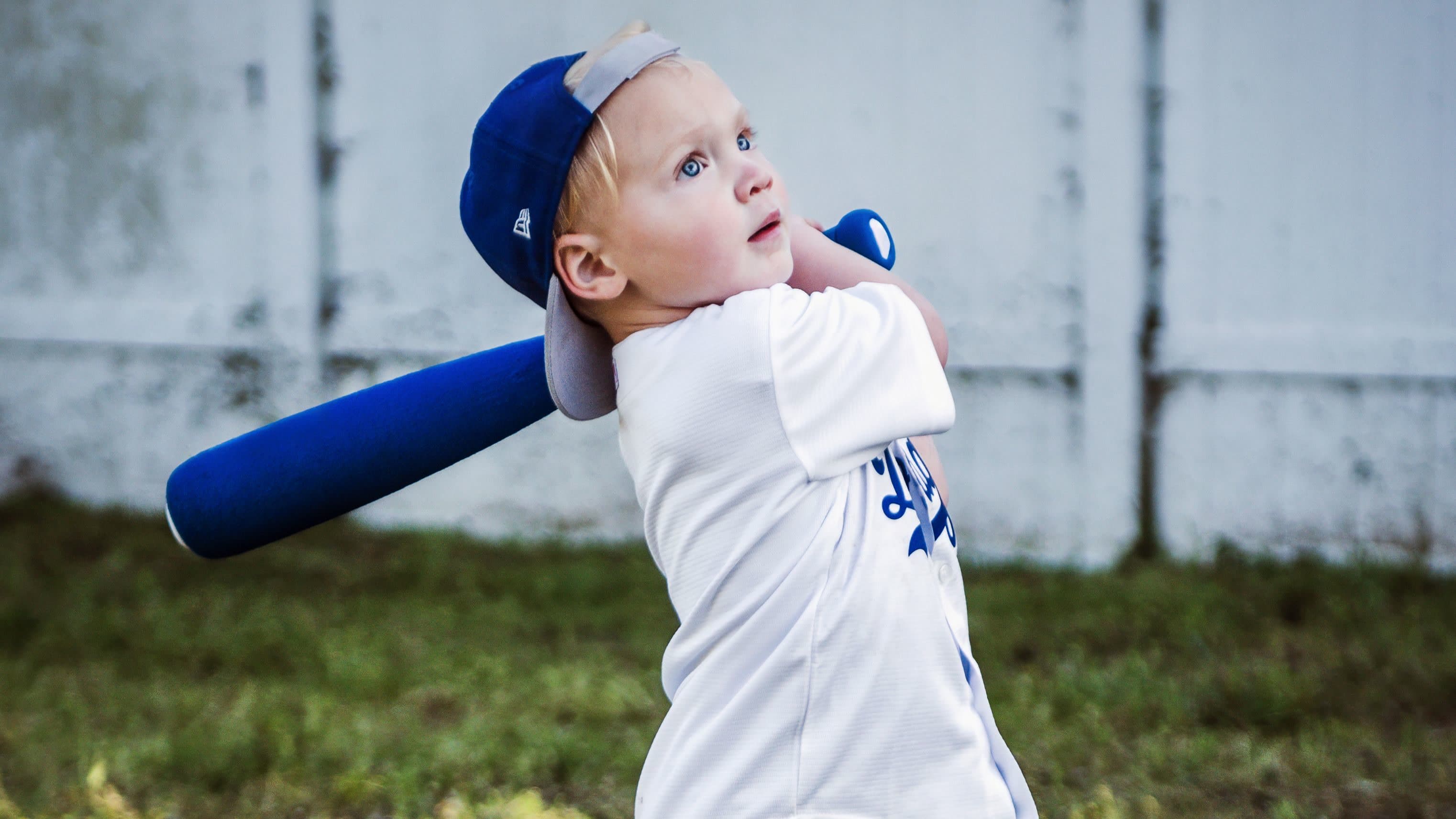
We've had three first seasons in our house, one for each boy. I also played from T-ball through high school.
Even with all that baseball, year one surprised me.
New parents expect to worry about gloves, practice, and whether their kid can hit. The harder part is keeping adult expectations from getting in the way of a game that's still brand new.
The bleachers may surprise you
You'd think T-ball would be the most relaxed corner of sports. Half the players are watching airplanes, and nobody's completely sure where to run.
Most families get that. They're friendly, helpful, and glad to be outside.
A few adults treat a five-year-old's Saturday like a scouting event. They debate batting order, lobby for positions, and compare kids who learned to tie their shoes at different times.
I'd be lying if I said I never felt the pull of it. It's easy to catch yourself keeping score of things that don't matter yet.
Ask a T-ball player the score after the game and you may get a question about snacks. The standings usually matter a lot more to the bleachers than to the field.
What helped me was remembering that my kid was watching me watch him. I wanted him to see someone calm, happy to be there, and cheering for every kid on the team.
Progress will be slow and uneven
Kids don't get polished after a few practices.
In the first season, one clean catch may feel like a major event. A year later, routine catches have quietly become routine, and you can't remember exactly when it happened.
That's how most of the progress shows up. It comes in small pieces, and you mostly notice it looking back.
Kids also grow on different schedules. The one who can't hit the ball out of the infield in April may look completely different next spring. The one who seems way ahead at six may get caught by kids who keep practicing.
Comparing them at this age mostly just makes parents nervous. It doesn't tell you much about where either kid will end up.
The first season is measured in whether a kid wants another season, not where he bats in the lineup.
Help him enjoy being at the field
Year one isn't a race to build a perfect swing. It's a chance for a kid to decide that baseball feels fun and possible.
The fundamentals, focus, and effort all come later, and they come easier when he wants to keep coming back.
Look for signs that have little to do with the score. He wants to wear the jersey to school. He asks to play catch. He talks about a teammate. After the game, he wants to know when the next one is.
That's a good first season.
Let six-year-olds be six
New parents tend to worry about the same things.
He looks at the sky in the outfield. He forgets where to throw. He swings before the ball's on the tee. None of that predicts his future in baseball.
I've turned a small mistake into a long talk before, and it never helped. The coaches will teach it again, and he'll get another rep.
Effort grows too. A beginner may not understand what adults mean when they say he needs to work harder. It builds in small, fun pieces, not by expecting the focus of a much older player.
A few small things help
Play catch without turning every throw into a correction. Ten easy minutes in the yard can make baseball feel connected to time with you.
Watch a game together. It can be the Cardinals, a high school team, or older kids at the local field. Seeing the bigger game helps a beginner understand what all those strange practice drills are building toward.
My grandpa used to bet me one dollar that the Cardinals' opponent would win. He knew exactly what he was doing. I watched every pitch and became a Cardinals fan one dollar at a time.
Volunteer for snacks, the scoreboard, or field work. Rec leagues depend on families, and helping usually makes the season feel more like a community.
Keep the ride home free of instruction right after the game. Our post on why that ride matters explains what I learned after getting it wrong.
Before buying equipment, ask what the league supplies. The first-time player gear guide will help you keep the list short.
Enjoy the messy version
The first season will be slower and stranger than you expect. It'll also go by fast.
Take pictures. Learn the other families' names. Cheer for every kid on the team. Keep the postgame tradition whether the team wins or loses.
Year one only needs to leave your kid feeling like the ball field is somewhere he'd like to go again.