
I'm an engineer, so I like numbers. Give me a scorebook and enough spare time and I can turn a youth baseball season into a spreadsheet.
The problem is that most youth baseball stats look more precise than they are.
Whether it's a rec season or a select season, a young player just doesn't get that many at-bats. A few bloopers that fall in, or a few hard line drives hit right at someone, can swing his batting average a long way. The decimal makes the number look official, but there isn't much behind it.
Then there's the scoring. At this level, it's hard to tell a hit from an error. One parent running GameChanger will score a play one way, and the parent next to them would score it differently. That skews the numbers before anyone even looks at them.
A 10U batting average is often a rumor with a decimal point.
Kids are changing faster than the numbers
Youth players are growing, learning new positions, facing better pitching, and getting used to bodies that can feel different from one month to the next. It's like trying to measure progress on a moving train.
The best hitter at nine may be an average hitter at twelve. The kid who could barely make contact in April can look completely different by the end of summer. I've watched each of my boys struggle through stretches that felt permanent. None of them were.
That's why I wouldn't let one season's stat line define a young player.
What I watch instead
These days I care less about whether he got a hit and more about what's happening underneath it.
Is he making more solid contact? Is he swinging at better pitches? Does he see the situation sooner? Is he moving toward the ball instead of away from it? Does he shake off a strikeout before the next inning starts?
Those things usually show up before the numbers catch up.
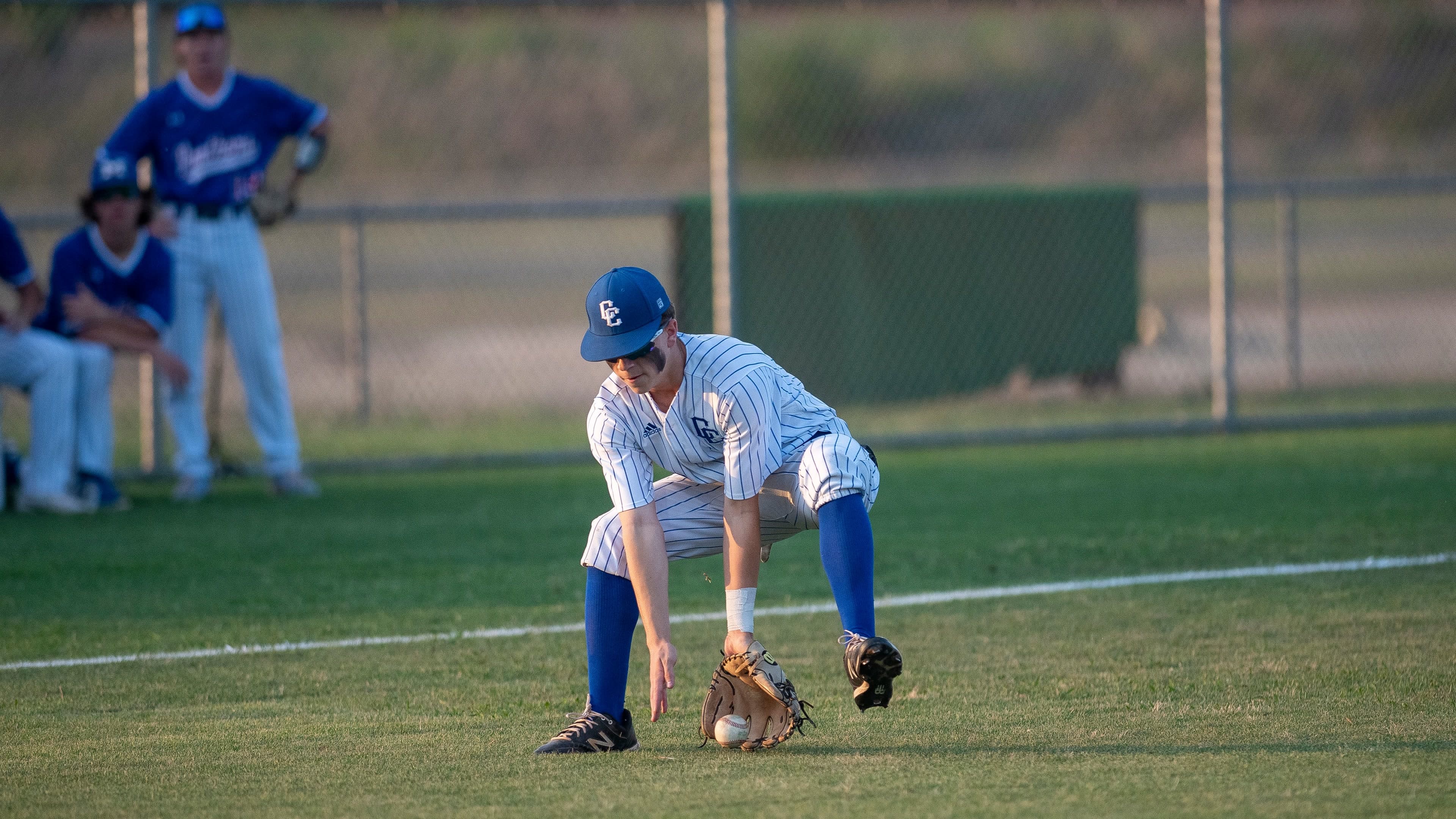
Same on defense. A shortstop can make the right read, take a good angle, and still miss the play. That's more encouraging than a routine grounder that happens to bounce into his glove.
Baseball gives kids plenty of practice dealing with failure and imperfect results. Getting better includes knowing what to do after a bad play, not just avoiding bad plays.
Look at longer stretches
If I'm going to compare anything, it's this June against last June, not this Saturday against last Saturday.
Over a season or a full year, the real questions get easier to answer. Has his contact improved? Is his throwing more accurate? Does he know where to go with the ball? Is he more willing to compete when it's tough?
Growth is rarely smooth. A growth spurt can throw off his timing for weeks. Better competition can make him look worse while he's actually becoming a better player. A few games can tell a really misleading story.
What I'm after is the direction he's heading, not every bump along the way.
The scoreboard at home
Kids pay attention to the scoreboard their parents keep.
If every ride home starts with batting average, strikeouts, or errors, a player can start protecting his numbers instead of playing freely. He might avoid a hard position, take fewer chances, or carry one bad at-bat out to the field.
Questions that get him thinking about the game work better. Our list of better questions to ask after games is a good place to start. You'll learn more from his answer than from a box score.
I still notice the numbers. I just don't let them have the last word. What you see with your own eyes, game after game, tells you more than any stat line.
For a young player, the best signs are usually simple. He makes better decisions. He bounces back faster. He's less afraid of the ball. He works without being chased. Most important, he still wants to play.
Those aren't as tidy as a batting average, but they tell you a lot more about where a kid is headed.