
Being afraid of the ball isn't strange. A baseball is hard, it moves fast, and getting hit hurts.
When a young player steps away from an inside pitch or pulls his head on a ground ball, adults sometimes call it a confidence problem. Usually it's more practical than that. He doesn't trust himself yet to stay safe and make the play.
That's something he can learn, not something wrong with him.
Telling him not to be scared doesn't work
Early on as a coach, I had a kid who bailed out on every pitch. I told him to stay in there, and when that didn't work, I threw a little harder in practice to toughen him up. It made things worse. A few bad reps just proved to him that he was right to be scared.
Telling a kid to stop being scared rarely helps. Neither does promising that the ball won't hurt. He knows better.
What worked better was telling him the fear made sense, then showing him what to do when a pitch comes inside or a grounder takes a bad hop.
Fear usually gets smaller in small steps, not one brave afternoon.
Teach the safety part slowly
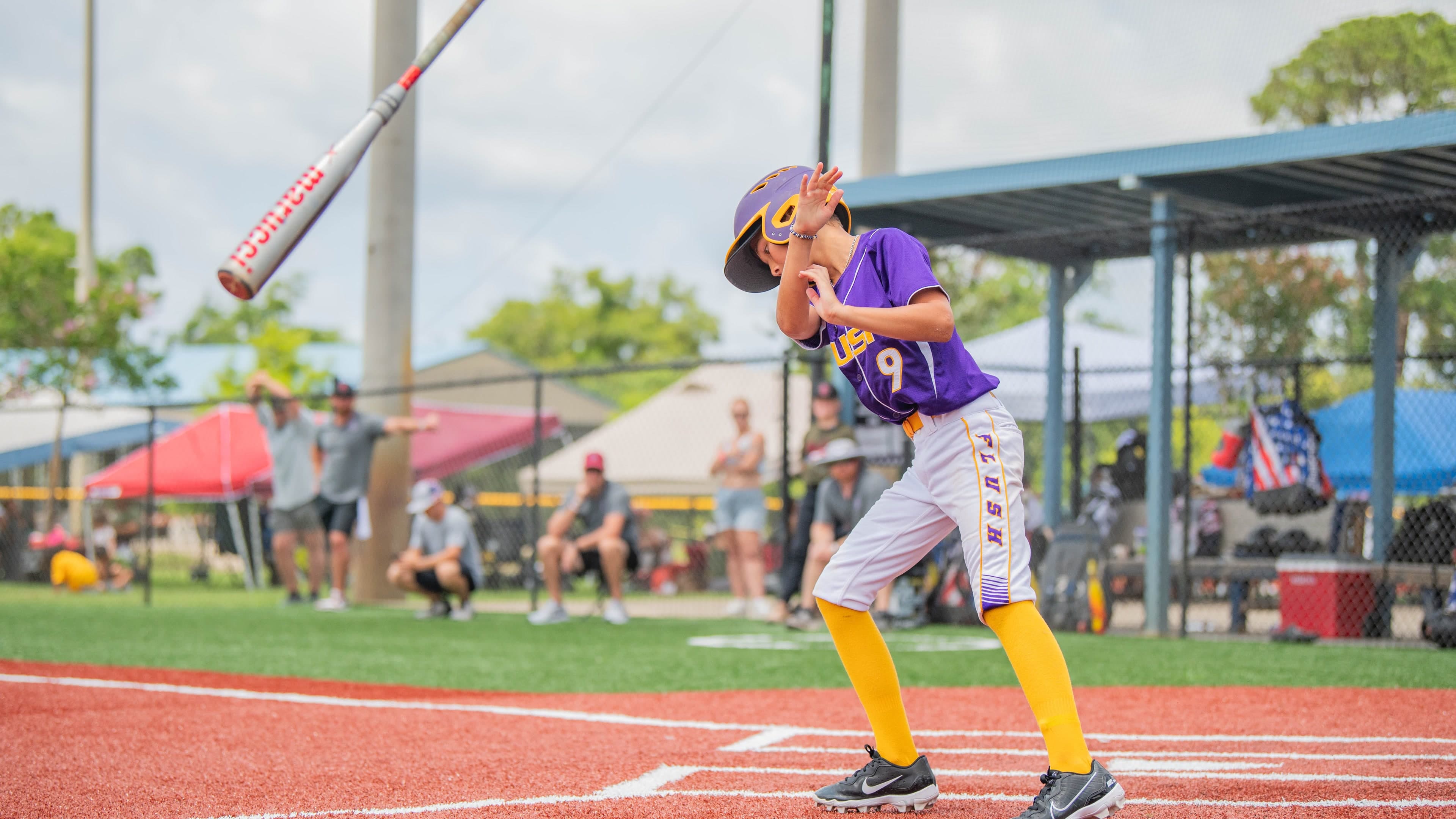
A good coach can show a hitter how to turn away from an inside pitch. A lot of youth coaches teach kids to turn the front shoulder in, tuck the chin, and keep the face and hands protected. The details depend on the kid's age and the coach.
Practice the movement before adding speed. A foam ball or tennis ball lets him learn without feeling like every miss is going to hurt. The point isn't to prove he can take a hit. It's to make the move familiar enough that he doesn't panic.
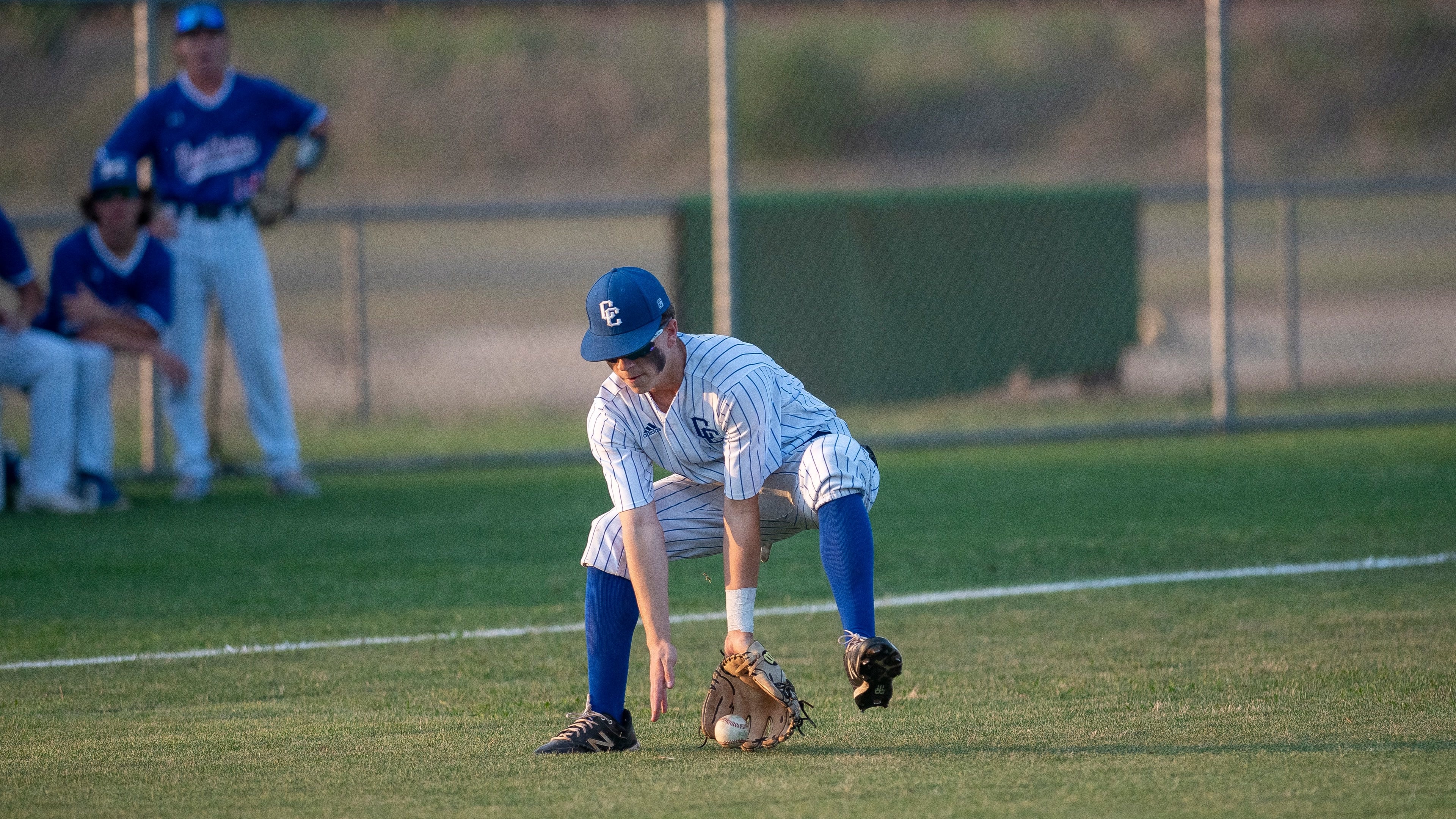
Grounders work the same way. Start with slow rollers on smooth ground. Let him get his body in front, watch the ball in, and make clean catches. Speed it up only once the easy version looks comfortable.
A helmet and the right gear still matter. So does common sense. If he's still hurting after getting hit, or the fear started after a real injury, have a doctor check him out before pushing him back into drills.
Let him help set the pace
Fear usually gets smaller in small steps, not one brave afternoon.
Start close with a soft ball. When that feels routine, back up or add a little speed. Move to a real baseball when he's ready. If his mechanics fall apart, make it easier again.
He should have a say in the pace. That doesn't mean he gets to skip the skill forever. It means the adult sets up challenges he can handle instead of surprises he can't.
Some of the best progress won't show up in a box score. He keeps his front foot in on a pitch. He watches a grounder all the way into his glove. He asks for another one after a mistake. Those count, even before he's making every play.
Our guide to measuring progress without obsessing over stats has more ways to notice the stuff batting average misses.
Keep it low-key
I've learned it's easy to make the fear bigger by watching every rep too closely. If every flinch turns into a long talk, he may start to see the fear as the main story of his game.
When he stays with a grounder or uses the move his coach taught, tell him you noticed. Keep it short and let him go again.
Most kids don't need a speech about toughness. They need a slow build, clear teaching, and enough good reps to trust themselves.
Then one day he stays in on an inside pitch, turns his shoulder, and takes it on the back. He rubs it, grins, and jogs down to first like it was nothing. That's the day it clicks.