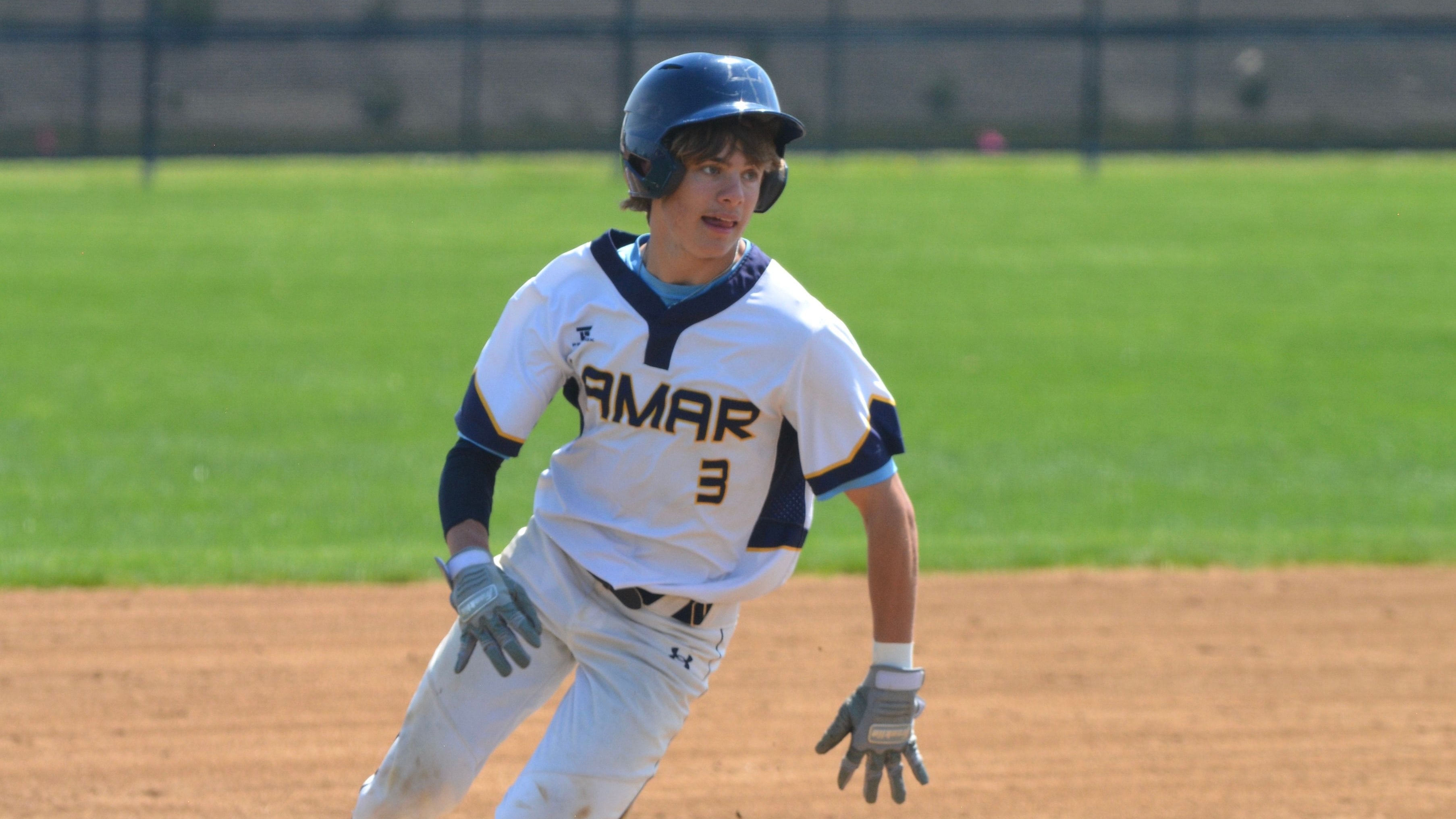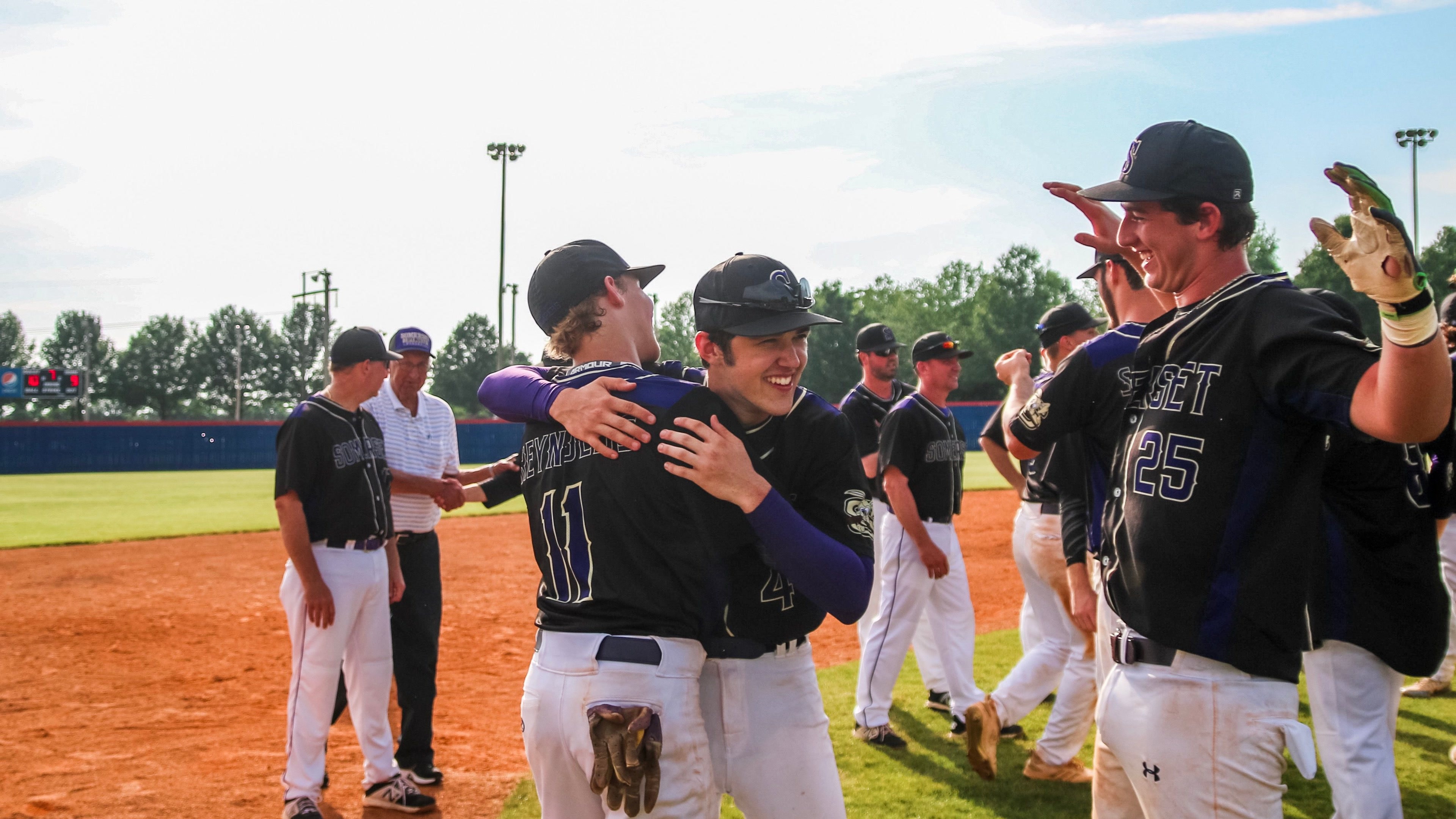


Some of the greatest hitters in Cooperstown got a hit about three out of every ten at-bats. That's right. In baseball, you can fail seven times out of ten and still be a Hall of Famer.
That's a strange definition of success, especially for a kid still learning what success feels like.
Baseball records every strikeout. It records every error. Sometimes a kid does everything right and still watches a hard-hit ball land in somebody's glove. The game gives him plenty of reasons to be disappointed, then asks him to step back out there and try again.
Learning how to handle those moments is one of the most useful things baseball can teach. But it doesn't happen on its own. Failure can build character when it's coached and explained well. Handled badly, it can make a kid afraid to fail, afraid to take chances, and eventually afraid to play at all.
A bad result isn't always bad baseball
Kids usually judge an at-bat by one question. Did I get a hit?
We can help them see more than that. A hard line drive caught by the shortstop may be a better at-bat than a weak blooper that falls in. A kid who battles through eight pitches before striking out may have shown more growth than one who reaches on an easy mistake.
Same thing in the field. An error might show something that needs work, but it doesn't mean he was careless or unprepared. Maybe his feet were wrong. Maybe he rushed the throw. Maybe the ball took a terrible hop.
The result matters. It's just not the whole story.
That difference helps a kid learn from failure without treating every bad result as proof he isn't good enough. It also points him toward what he can control: how he prepares, how hard he works, the decisions he makes, and what he does on the next play.
A player can fail seven out of ten times and still be successful. Baseball teaches him what to do with the other seven.
Recovery is a skill
A strikeout hurts, but another inning is coming. A ground ball goes through his legs, and the next batter is already stepping in. Baseball gives a kid time to feel a mistake, but not much time to live in it.
What happens next tells you a lot. Does the strikeout follow him into the field? Does he stop taking healthy chances because another mistake might be embarrassing?
Some frustration is normal. Kids care about playing well, and we shouldn't ask them to pretend they don't. The goal isn't to make him stop caring. It's to help him care without letting one result control the next one.
Recovery comes with reps. The strikeout that used to ruin a whole game might eventually ruin an inning, then just a few minutes. He still feels it. He just learns to bring his attention back where it belongs.
That's progress, even if it never shows up in the box score.
Failure still needs coaching
Accepting failure doesn't mean ignoring a kid who needs help.
If the same thing keeps happening, he may need an adjustment. He may not understand what went wrong. He may understand the fix but have trouble doing it. Sometimes he puts so much pressure on himself to avoid another bad result that he can't play freely anymore.
"Failure is part of baseball" is good perspective, but it isn't coaching. He may still need someone to explain what happened in words he understands, give him one adjustment he can manage, and give him time to work on it.
What he probably doesn't need is a new mechanical diagnosis after every bad at-bat. Too many corrections can make him think his swing is always broken. Good coaching helps him tell the difference between a normal baseball result and a pattern that actually needs attention.
What he says about it matters too. "I made an error" and "I'm terrible at baseball" are very different things to hear. One describes a play. The other turns that play into who he is.
That's when perspective helps. It can help to pull up the career stats for his favorite player and look at the strikeouts together. If his baseball card has fielding stats, the errors are right there too. The players he looks up to failed plenty. Getting great meant learning how to respond to it.
Parents can bend the lesson
We can make a failure smaller than it should be, or a lot bigger than the game ever made it.
We make it smaller when we rush to explain it away. The umpire missed the call. The sun was in his eyes. The ball took a bad hop. Those things might be true, but always rescuing a kid from disappointment can tell him failure is something he can't handle.
We make it bigger with a disappointed look from the bleachers, a mechanical correction right after the game, or a silent ride home. One strikeout becomes the whole afternoon. One error starts to feel like a verdict on how he played.
I'm guilty of giving feedback right after a strikeout, and of a few disappointed looks too.
Most kids don't need a postgame evaluation before they've taken their cleats off. They need room to be disappointed, calm down, and remember the game was only one part of their day.
The correction can wait. Our post on the ride home after games explains why that space matters so much.
The goal is to let the result stay its actual size. Not erased, and never bigger than the kid standing in front of you.
What he carries forward
People say baseball builds character. It can, but the game doesn't do that work by itself.
Baseball supplies the failures. The people around a kid help decide what those failures teach him.
When mistakes are met with useful coaching, fair expectations, and steady support, he learns he can be disappointed without falling apart. He can take responsibility without deciding something's wrong with him. He can make an adjustment and try again.
When every mistake brings embarrassment or shame, he may start avoiding hard situations altogether, in baseball and beyond it.
The goal isn't to make failure painless. Some strikeouts should hurt. Some errors should bother him. Caring about the result is part of caring about the game.
The goal is to help him understand what the result means, learn what he can from it, and leave room for the next chance.
Every kid plays his last game eventually. Long after he forgets the score, he may remember what it felt like to fail in front of everyone, walk back to the dugout, and find out the people who love him were still there.
That lesson follows him off the field. One bad result doesn't define him, and a bad day doesn't decide what he can become with time and work. It gives him more than a short memory in baseball. It gives him the confidence to face the next hard thing, wherever it shows up.