

All three of my boys have played travel baseball, so this isn't an argument against travel ball. It's been good for our family at the right times.
It's also not the next required step after rec ball.
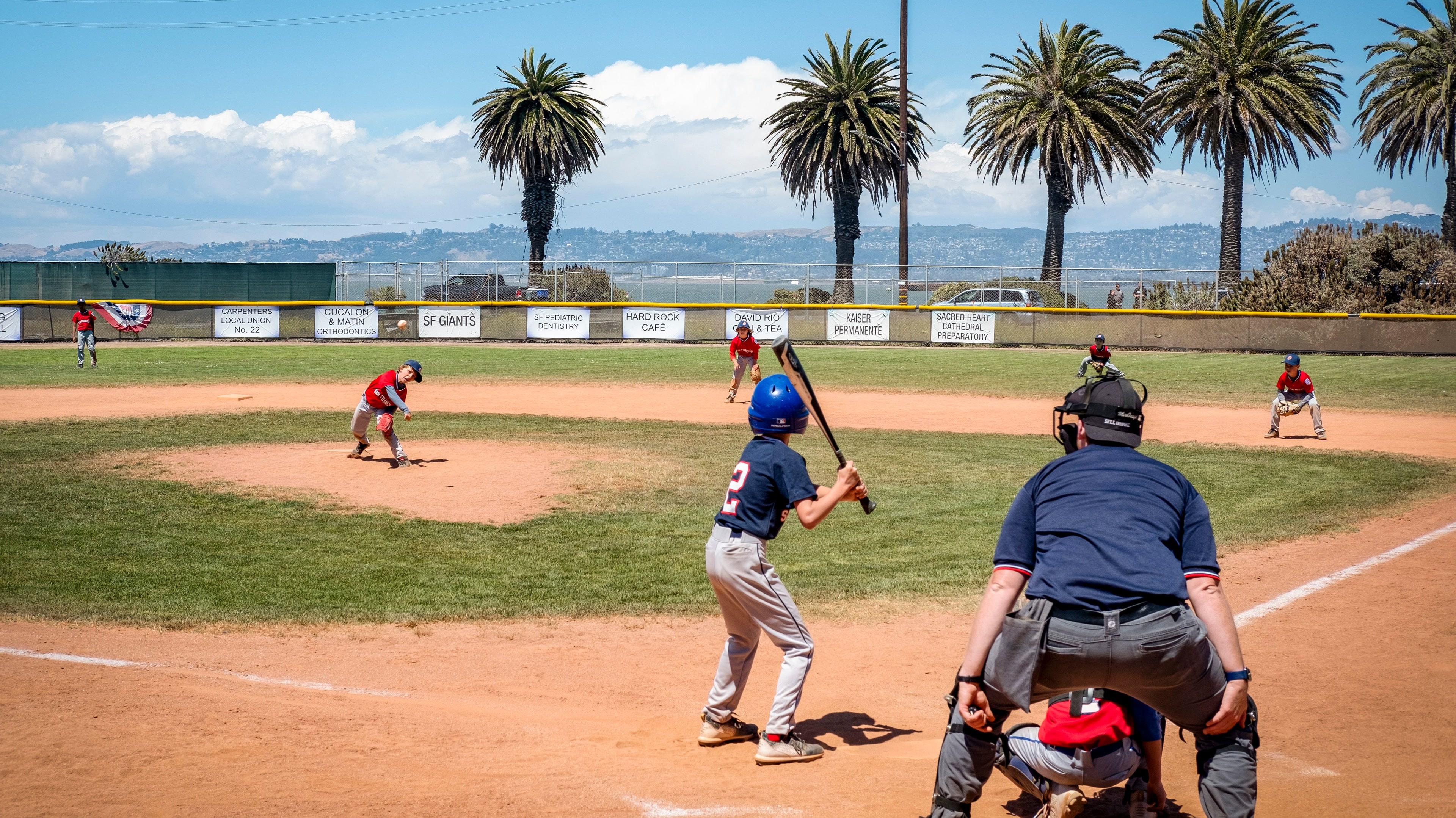
Before travel, all three played rec in the same local league. Rec baseball isn't the minor leagues of youth baseball. It's a complete version of the game, and for plenty of kids it's the better place to play.
More chances to play
On a rec team, a solid player might bat near the top of the order, move around the field, and find out what it feels like to help carry a team. That's a lot of good baseball.
The same kid might join a strong travel roster and spend half the season batting ninth or waiting behind two shortstops. Better competition can help, but only if he gets enough chances to compete.
It's easy to get caught up in the logo, the tournament schedule, and the level of competition. I've been there. But kids get better by playing. A season of regular at-bats in rec ball can do more than a handful of scattered ones in travel ball.
Rec ball also costs a lot less. Travel fees, uniforms, hotels, meals, and weekends on the road add up fast. Our breakdown of the real cost of travel ball covers the part that never fits on the registration page.
Room for the rest of being a kid
Rec schedules usually leave room for school, family dinners, another sport, birthday parties, and the occasional Saturday with nothing planned.
That matters. A nine-year-old doesn't need every interest built around baseball to become a good player. Time away often brings him back more eager to play. If travel ball is on the table, it's worth thinking about how it fits with school, family, and rest.
There's another upside that's harder to measure. Rec ball can keep the game light. The field is close to home. His friends are on the team. A loss is disappointing, then someone gets a snow cone and life moves on.
Rec ball isn't a consolation prize. For a lot of kids, it's exactly the baseball they need.
When travel ball makes sense
Travel baseball can be a good fit for a player who's outgrown the local level, wants more baseball, and is ready for tougher competition. Better coaching and deeper competition can push a motivated kid in good ways.
The key word is motivated.
The best reason to play travel ball is that he wants the extra practices, games, and work that come with it, not that the adults are worried he'll fall behind. If you're not sure, here are some practical signs a kid may be ready for travel baseball.
Rec ball is often the better fit when a player is still learning the basics, wants to play other sports, or likes baseball without wanting it to take over the family calendar. It's also the better fit when the cost or the travel would put real strain on the family. That's not making excuses. That's making a good decision.
One season at a time
It's easy to treat rec versus travel like a decision about his whole future. It isn't.
A player can spend another year in rec, get stronger, and move to travel later. A travel player can go back to a local league and rediscover the fun of playing with neighborhood friends. Neither move is a failure.
The questions that have helped us are pretty simple. Does he need tougher competition, or more chances to play? Is he asking for more baseball, or are the adults doing the asking? Does the schedule work for the whole family?
The best league is the one that helps him get better while still making him want to grab his glove next season.