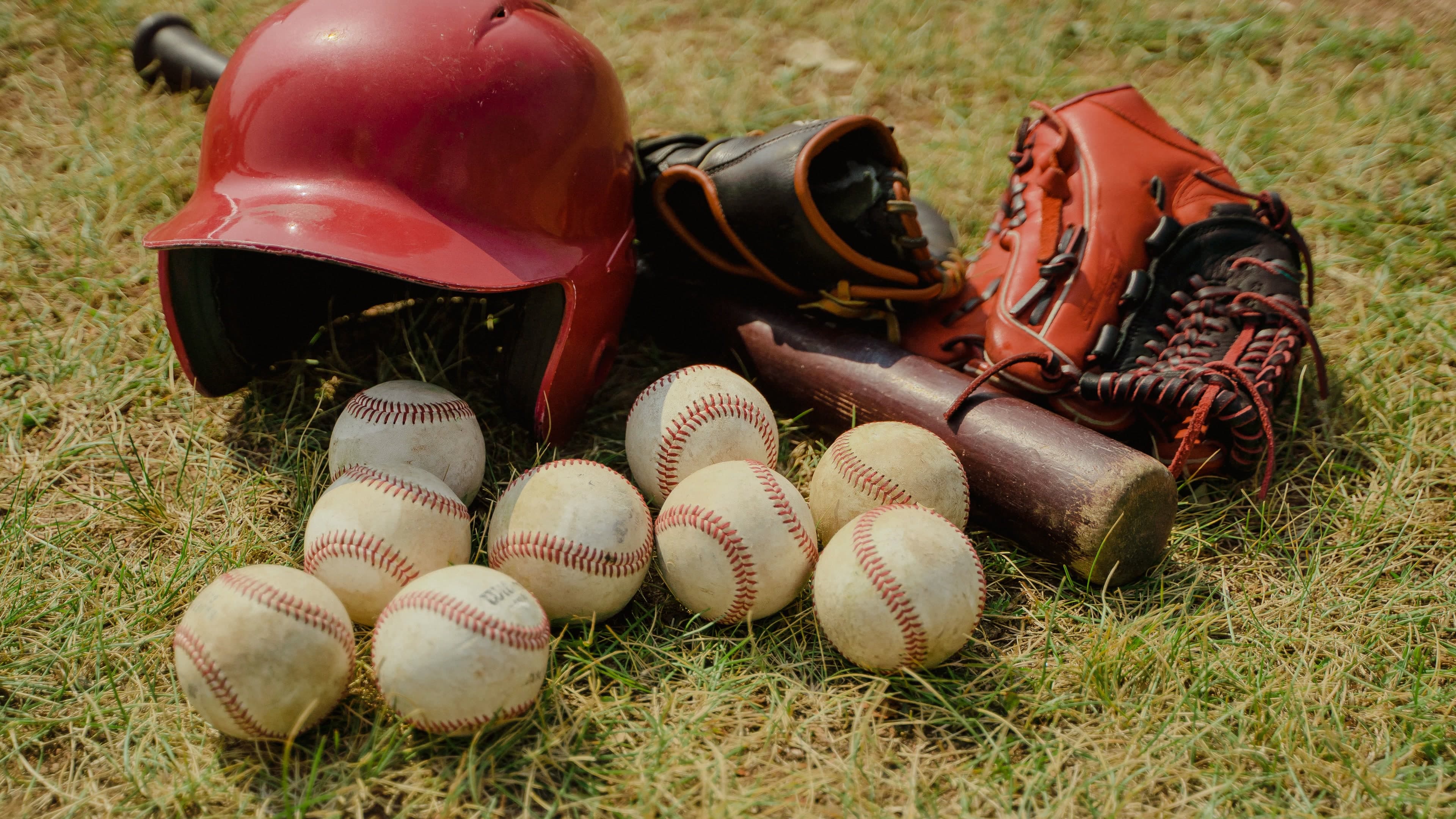
Our garage has swallowed three boys' worth of baseball gear. Some of it mattered. A lot of it just took up shelf space until somebody outgrew it.
If you have a first-year player, the sporting goods store can make the season look a lot more complicated than it is. You need a short list of equipment, and most of it doesn't need to be expensive.
The one purchase worth real attention is the glove.
A glove he can use now
I bought gloves a size up so the boys could grow into them. It sounded smart at the register. Then I watched a six-year-old spend the season trying to close a stiff piece of leather that was too big for his hand.
Buy for the kid standing in front of you. He should be able to squeeze the glove shut without fighting it. For a lot of young beginners, something around 9 to 11 inches works, but hand size and position matter more than the number on the tag.
A soft, modestly priced youth glove is usually better for year one than a beautiful glove that needs months to break in. Put a ball in the pocket and have him close it. If the ball stays there, you're in good shape.
The best first glove isn't the one that lasts the longest. It's the one your kid can close today.
Check with the league first
Every league does this a little differently. Some hand out helmets and bats. Others expect each player to bring his own. Uniforms are all over the place too.
We learned to read the registration info, or just ask the coach, before we went shopping. Little League's equipment overview for parents is a good starting point, but your local league's rules are the ones that count.
Most first-year families end up needing some version of this:
- A batting helmet that fits, if the league doesn't provide one
- Sneakers or legal youth cleats
- Baseball pants, socks, and a belt if they aren't included
- An athletic supporter and cup when the division calls for it
- A small bag to keep it all together
- A big water bottle or jug
For Little League Major Division and below, molded cleats are allowed and metal spikes aren't. Other organizations and older divisions can be different, so it's worth checking before you buy shoes.
A helmet should fit well, carry the required safety certification, and have no cracks or damaged padding. Don't paint it or cover it in stickers unless the manufacturer says that's okay.
The expensive bat can wait
A first-year player doesn't need a premium bat. He needs a legal bat that's light enough for him to control. If the team has bats, let him try those before you spend anything.
When you're ready to buy one, our guide to choosing the right bat covers sizing, league stamps, and when spending more is actually worth it.
Batting gloves are optional at this age. They might help a kid feel like a ballplayer, which is not nothing, but he doesn't need them to learn how to hit.
Position-specific gloves can wait too. A first-year player doesn't need a first baseman's mitt, a catcher's mitt, or a pile of training aids. A regular youth glove covers the spots he's likely to play.
Used gear is often the smart buy
Kids outgrow baseball gear long before they wear it out. Resale shops, neighborhood groups, and families a few years ahead of you usually have good cleats, bags, bats, and gloves sitting in a garage.
Look used gear over before you take it home. Pass on cracked helmets, dented bats, broken straps, and anything that doesn't fit. Be pickiest with helmets, since age and damage can make one unsafe even when it looks fine.
Used baseball pants are an easy win. They're going to be stained by June anyway.
Keep the first season simple
A glove that closes, legal shoes, the required protective gear, water, and whatever uniform pieces the league doesn't hand out will get most beginners started.
Spend less time studying the gear wall and more time playing catch. Our guide to your kid's first baseball season covers what else to expect.
Year one is when a kid is deciding whether baseball feels fun and possible. No premium bat can make that decision for him. A few easy catches in the yard can.