

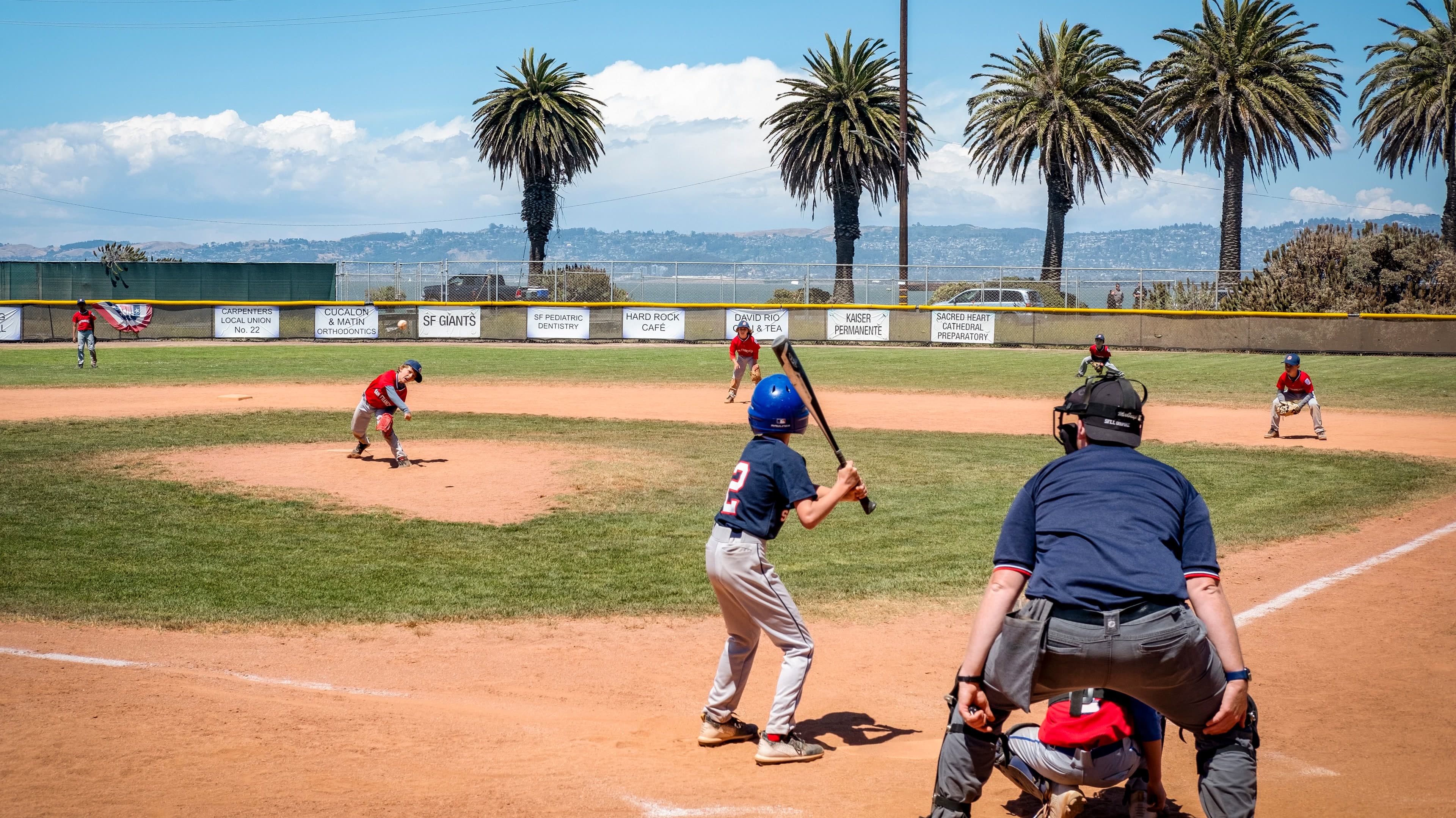
We've been through rec ball with three boys at different ages. The least useful fact has usually been the one on the flyer.
Last year's all-star record won't tell you whether your kid will enjoy Tuesday practice.
The things that matter are less exciting. How far will you drive? What will the season really cost? How do the coaches talk to kids who are struggling? What are the adults like in the stands?
The drive
A league fifteen minutes away and one thirty-five minutes away can both seem fine at registration. They don't feel the same on a rainy weeknight after work, when dinner isn't started and another kid needs a ride too.
All three of our boys played in the same local league, and that made a bigger difference than I realized at the time. Same fields, same families, one place to be. If we'd had them spread across different leagues, weeknights would have looked a lot different.
A great league farther away can still be worth it. Distance just isn't a small detail. It shows up at every practice, every late arrival, and every family conflict all season.
The full cost
Registration may not include pants, socks, a belt, fundraising, pictures, or tournament fees. None of that automatically means it's a bad league. Fields, uniforms, insurance, and equipment cost money.
What matters is whether the league explains it clearly.
We've learned to ask what a normal family spends from registration through the last game. A league may not know the exact number, but it should be able to tell you what's included and what isn't.
Straight answers are a good sign. Surprise after surprise wears families out before the first pitch.
How coaches treat the kid who struggles
Being a good player doesn't always make someone a good youth coach.
At the rec level, patience and teaching matter a lot more than a coach's old stats. If you can, watch a practice. Does the coach explain the drill? Does every kid stay involved? What happens when someone makes the same mistake three times?
When I coached rec ball, the best parts of my week weren't with the kids who already got it. They were with the kid who needed the drill explained a third time, and then finally got it. That's the coaching that matters at this age.
So I watch how a coach talks to the kid who needs the most help, not the best player. That's the real interview.
Playing time matters too. Young rec players should get real chances to learn. It's worth asking how the league handles rotations and whether that changes by age.
The adults in the stands
The people in the bleachers are part of what you're signing up for.
Some fields feel relaxed and welcoming. At others, every close call becomes a public trial, and every game feels more important than it is.
Current parents will tell you what Saturdays are really like if you ask. Listen for how they talk about coaches, umpires, and other families. A beautiful facility can't make up for three months around adults you dread seeing.
The best local league is one where your kid wants to play and your family is glad to spend the day.
Our post on a kid's first youth baseball season gets into how much that environment shapes things. The quickest test is still simple. Watch one ordinary game, not a championship.
Warning signs
Most leagues are doing their best with volunteers. A few things are still worth taking seriously.
- Nobody can describe a typical practice or season schedule
- The cost changes depending on who you ask
- Playing time for very young rec players is treated entirely as a reward
- Coaches regularly embarrass kids for mistakes
- Current families hesitate when you ask if they'd come back
- Safety policies and volunteer requirements are vague
One imperfect answer doesn't mean the league is bad. A pattern of vague or defensive answers tells you something.
The parent at the fence
The best information we've gotten has come from a current parent who isn't recruiting us. Families standing at the fence during an ordinary game usually give you a clearer picture than any league website.
The right league can change as your kid grows, too. One that worked at five may not be the best fit at nine, and siblings may need different things.
A manageable drive, honest costs, patient coaches, and decent adults in the stands will matter a lot more than the all-star banner.
What you're really looking for is a kid who climbs into the car on Tuesday night already asking if he can bring his glove.