
Your kid is going to be on the wrong end of an umpire's call. It might be a high strike, a close play at first, or a rule nobody in the bleachers understands as well as they think they do.
Youth umpires work fast games from tough angles. Some are experienced adults. Some are teenagers working their first job. Plenty are volunteers. They're going to miss calls, the same way kids and coaches make mistakes.
What your kid sees in the next ten seconds matters more than the call.
The bleachers
The sarcastic clap and "Come on, blue" don't get the coach an explanation. What they do is show kids how the adults around them react when something feels unfair.
A kid can learn to shrug off a bad break and play the next pitch. He can also learn to look for someone to blame. A lot of that lesson comes from the stands.
Your kid may forget the call. He's a lot more likely to remember how the adults acted after it.
What I try to do now is keep my reaction boring. If he looks over, I want him to see the same parent he saw before the play. A quick clap and "Next pitch" are plenty.
I also try not to retry the case in the car. If he brings it up, I'll agree it was a tough call and tell him I liked how he handled it. Then we move on. The ride home has a better job to do.
When I was coaching
Coaches sometimes have a real reason to talk to an umpire. Maybe it's a rules question, a substitution issue, or a need to understand what he saw.
Those talks go a lot better when they're calm. Ask for time, keep the players out of it, and talk about the call, not the person who made it.
Early on as a head coach, I walked out to argue a call I was sure was wrong. I didn't get it changed. What I got was a dugout full of kids who spent the next inning grumbling about the umpire instead of playing. That was the last time I went out there just to make a point.
Some calls can get fixed. Judgment calls usually can't. Either way, yelling almost never gets a better answer.
A coach who argues every close play also stops getting listened to. The umpire starts bracing for a complaint instead of hearing a real question, and the players learn that the dugout expects outrage whenever a call goes against them.
The message I wanted my teams to hear was simple. Bad calls happen to both teams, and our job is still the next pitch.
A reset helps
A kid needs something to do after a call he doesn't like.
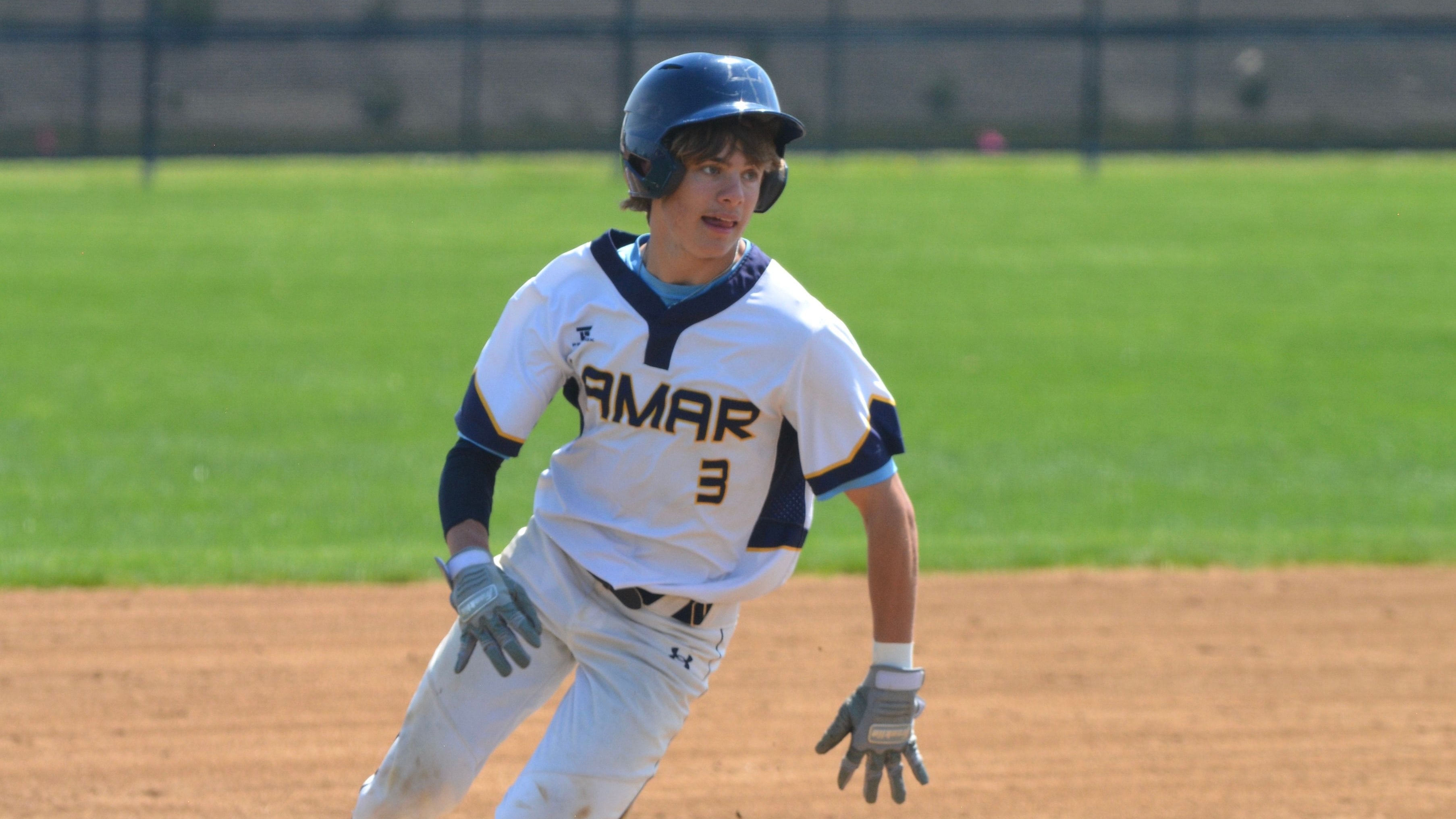
If he's called out on strikes, he can take off his helmet, head back to the dugout, and get ready for his next job. If a close call ends his time on the bases, he can grab his glove and get ready for the field.
He doesn't have to agree with the umpire. The reset just keeps the disagreement from taking the next inning too.
It's another version of baseball's lesson about failure. A bad call gives a kid practice handling something he can't control. School, work, and the rest of life will hand him the same problem later, with no umpire to appeal to.
Who's behind the mask
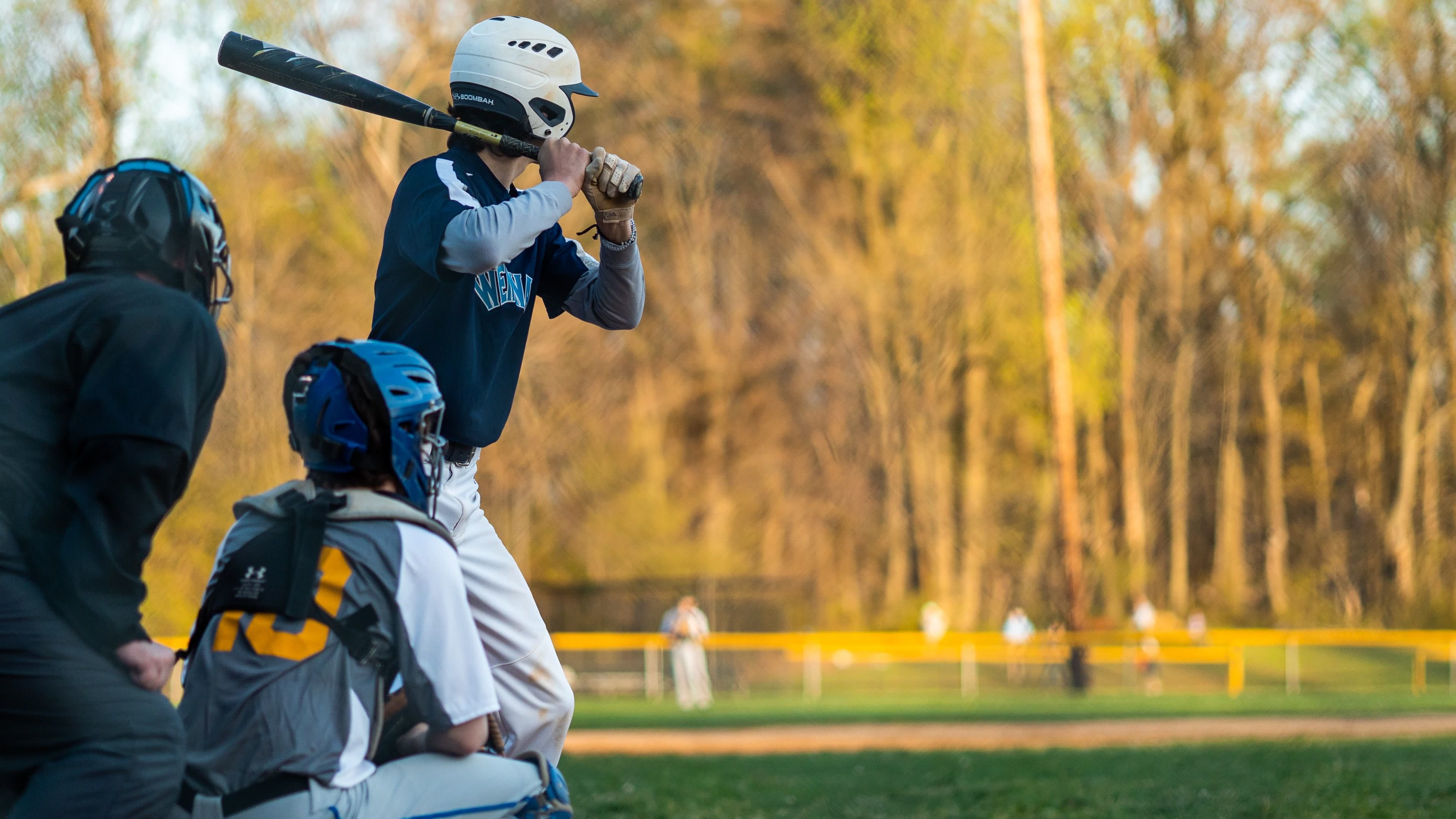
The umpire in a youth game might be fifteen. He might be earning his first paycheck, or helping out because the league didn't have enough adults.
That doesn't mean umpires are above questions. If something serious keeps happening, like a safety or conduct problem, it's worth bringing to the coach or the league after the game instead of yelling about it from the stands.
One day your own kid might put on the mask for a summer job. You'll want the adults behind the backstop to remember he's learning too.
The call might be wrong. What he'll carry with him is that he took off his helmet, grabbed his glove, and went back out for the next pitch.